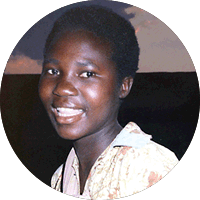
Skills for life
In addition to its early childhood development and education programmes, JCT Malawi is developing a life-skills programme for young people in the rural communities in which it works. A natural…


In Malawi, we are working in partnership with some of the world’s poorest communities to provide:
To discover more, click here
30 children and 7 JCT volunteers killed, 14 Community Based Childcare Centres swept away, houses destroyed, food stocks ruined – coming to terms with the aftermath of Cyclone Freddy.
With over 8000 orphaned and vulnerable children now in its care, the JCT Foundation continues to expand its reach. Inevitably, this means resources are continually stretched.
JCT not only take care of children who have been orphaned through HIV/Aids, they also take care of those whose families cannot afford to care of them themselves.
Six boreholes dug at three Community Based Childcare Centres: one for each centre, and one for the surrounding communities each centre supports.
JCT has been at the forefront of education programmes to counteract the spread of Covid-19 in the rural communities in which it works.
A state of disaster has been declared after flooding, caused by cyclones Anna and Gombe washed away houses, roads, crops, and cattle.
JCT is helping alleviate ultra-poverty in some of the remotest, rural parts of the country, where access to food, clean water, and education is not always a given.
Whilst Covid-19 infections are low, social distancing protocols are affecting JCT Malawi’s ability to hold fundraising events
In the rainy season, before the harvest, food has become scarce. Even if you can source it, the economics of supply and demand means prices have risen.
JCT celebrates the 19th anniversary of its foundation as 1000 of its 5-6-year-old children graduate from nursery to primary schools
Centres in Mangochi and Nsanje affected by flooding. Blankets, cooking utensils, and soya flour still needed, to help keep the children fed and warm.
Cooking utensils, food, toys, and blankets washed away as floods sweep through JCT centres in Mangochi and Nsanje.
With food always scarce for Malawi’s ultra-poor, JCT launches a new grow-your-own project in the communities it supports.
With Malawi in the grip of a Cholera epidemic, JCT turns its attention to building boreholes to provide safe drinking water for its centres.
JCT’s valuable work has once again been recognised officially by the Malawian Government through the re-awarding of its NGO status
JCT is working with the Ministry of Health to formalise the gathering of statistical evidence to measure the progress of its feeding programmes.
Will you help give hope to the orphans, vulnerable children, and those affected and infected by HIV/AIDS within the rural communities of Malawi?
Help us raise £15,000 towards a second-hand truck to transport vital supplies to the hard-to-reach rural communities with whom we work.